
Lighting Design at KBSO Consulting
—
At KBSO Consulting, lighting design is more than decorative selections or fixture schedules – it’s an intentional process that shapes how people feel, move, and experience a space. In hospitality environments especially, lighting becomes a critical design element that can elevate brand identity, enhance materiality, and define whether a space feels warm, dramatic, calm, or energetic.
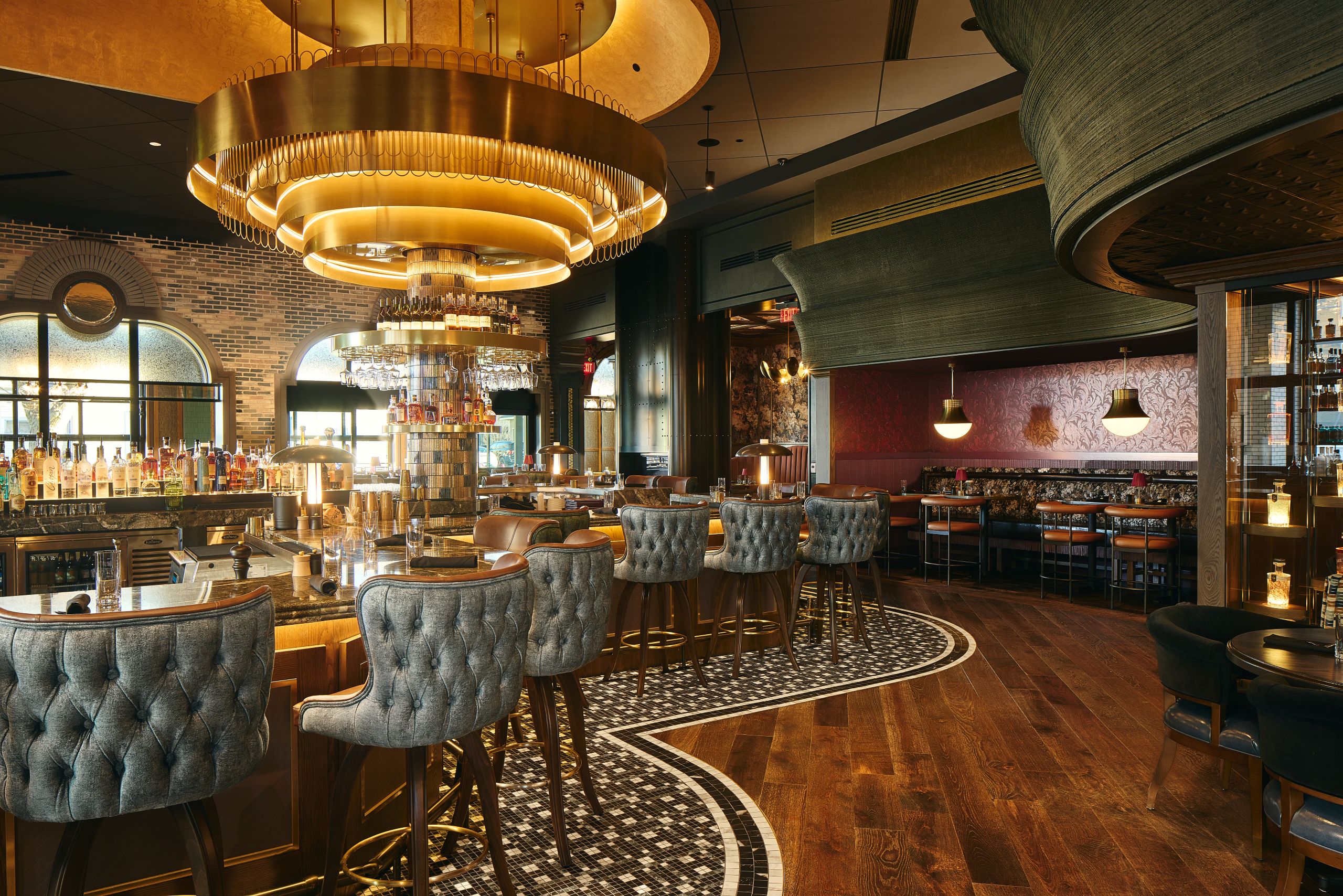
While each project brings its own unique goals and operational requirements, the strategies applied at 1933 Lounge in Carmel, Indiana reflect the comprehensive lighting services we bring to all of our work – rooted in thoughtful planning, integrated coordination, and technical precision. These principles guide our design approach, ensuring lighting enhances both the architecture and the end‑user experience.
Understanding the Intent
Successful lighting design begins with understanding what the space should communicate, how it will operate, and how lighting can reinforce those goals. Before fixtures or details are considered, we define the experience the lighting must support so each technical decision strengthens both atmosphere and operations.
Two ideas guide our lighting design approach across market sectors:
01. Lighting supports atmosphere and operations.
Effective lighting enhances brand identity and guest experience while functioning reliably for staff and simplifying maintenance. Balancing emotional impact with practical needs is essential.
02. Integration determines success.
Lighting interacts with the entire built environment. Ceiling conditions, millwork details, mechanical systems, finishes, and daylight all influence performance. Early coordination helps the built environment reflect the design intent rather than compromise it.
Translating Intent Into Design
Once intent is established, we translate those ideas into technical requirements such as visual hierarchy, color temperature, and integration points, creating a cohesive strategy that supports how the space functions and feels.
Concept Development
We review interior concepts, confirm visual priorities, and align lighting goals with brand standards and programming. This establishes hierarchy and guides what should stand out and what should recede.
Photometrics & Controls
We model light levels, study distribution, and develop zoning strategies to support operational modes – daytime service, evening ambiance, special events, and after-hours cleaning. Control sequences and circuiting layouts are deliberately crafted so the environment performs exactly as intended.
Fixture Selection & Layout
General, decorative, and integrated lighting are coordinated to ensure proper fit, visual consistency, and seamless detailing. Here, we transition from concept to reality as the lighting begins to shape the atmosphere and overall experience.
Layered Lighting as a Functional Design Tool
Layered lighting is essential for shaping experience and supporting operations. At 1933 Lounge, every decision was grounded in how the space is used—whether highlighting the back-bar, illuminating prep areas, or guiding guests along exit routes. Life-safety elements such as exit and emergency lighting were integrated to guide movement without distracting from the overall atmosphere.
Effective lighting supports workflow, enhances architectural details, improves visual comfort, and facilitates safe movement.
Integrated Coordination and Execution
Coordination is one of the most overlooked aspects of lighting design. Ceiling depths, air distribution, fire protection, millwork tolerances, and field conditions all influence whether a lighting design performs as intended.
Tight tolerances within illuminated millwork and bourbon displays at 1933 Lounge required careful coordination of low-profile fixtures, remote drivers, and precise alignment. This rigor is standard practice for us. Addressing these factors early helps resolve conflicts before construction.
The Outcome
Across all our projects, the goal remains the same: to deliver lighting solutions that elevate architecture, enhance user experience, and operate reliably over time.
At KBSO, we help owners, architects, and designers bring their vision to life by connecting design intent with real-world performance.

About
Kris Ehlers
Lighting Designer
Kris has dedicated the majority of her career to lighting design, leveraging her unique skill set to breathe life into spaces. She sees lighting design as a bridge between architecture and engineering, ensuring all projects positively impact end users. With exceptional communication skills, Kris collaborates effectively with architects, engineers, and interior designers to realize clients’ visions. Her expertise and passion are invaluable in creating memorable and functional illuminated environments.